For some in Chicago, gun violence is a daily reality, leaving the same trauma as mass shootings (NBC News)
Wilson Comments About Psychological Effects of Mass Shootings in National Media
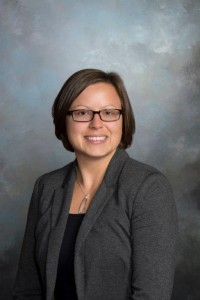
Laura Wilson, assistant professor of psychology
Assistant Professor of Psychological Science Laura Wilson’s expertise about the psychological effects of mass shootings continues to be sought-after by the national media. Here are her recent comments:
When the Child Parents Love Becomes a Shooter (The Atlantic)
False Reports Of Gunmen In N.Y.C. And Virginia Cause Jitters Following Mass Shootings (NPR)
Wilson Interviewed by AP about the Impact of Mass Shootings
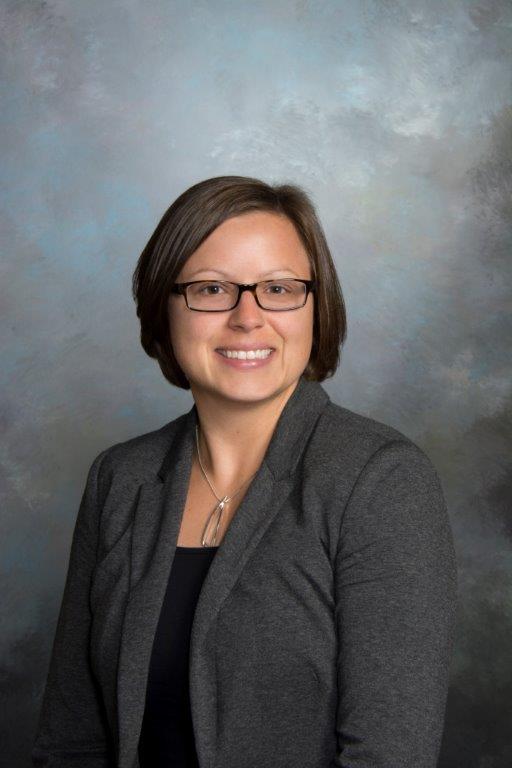
Laura Wilson, assistant professor of psychology
Assistant Professor of Psychology Laura Wilson was interviewed for an Associated Press article on how America has been transformed by mass shootings and the impact on survivors of these tragedies. The article was picked up by numerous media outlets, including the the Richmond Times-Dispatch, Colorado Public Radio, The Times-Herald, Times Union, Lowell Sun, KJCT8.com, KXNET.com and others. The article states,”Wilson, an assistant professor of psychology at the University of Mary Washington in Virginia conducted a meta-analysis — an examination of data from 11 studies of PTSD symptoms among more than 8,000 participants who ranged from those who’d witnessed shootings to those who just lived in the communities in a 20-year period.”
https://www.timesunion.com/news/article/America-transformed-by-mass-shootings-13917932.php
http://www.lowellsun.com/todaysheadlines/ci_32663805/mass-shootings-are-transforming-united-states
https://www.kxnet.com/news/mass-shootings-create-rippling-network-of-stricken-survivors/2046945585
America transformed by mass shootings (Times Union; Lowell Sun; KJCT8.com; KXNET.com; KJCT8; KXAN)
Wilson Comments on the Psychological Effects of Mass Shootings
Assistant Professor of Psychology Laura Wilson
Assistant Professor of Psychology Laura Wilson recently commented in the national media on the psychological effects on survivors of mass shootings.
Wilson, the co-author of the The Wiley Handbook of the Psychology of Mass Shootings, said the following to Buzzfeed News in an article entitled “If You Graduate Right After A Mass Shooting, Good Luck: You’re On Your Own”: “The biggest concern I would have for them is the disconnect from people who have gone through similar things.”
She also said, “Simply by definition, mass shootings are more likely to trigger difficulties with beliefs that most of us have, including that we live in a just world and that if we make good decisions, we’ll be safe,” in an article entitled “An Anniversary We Would All Like to Forget-But Never Will,” in the Post Newspaper in Texas.
In an article entitled “The Long Reach of Grief After Gun Violence” on yr.media, she said, “A lot of what we see among survivors is that they struggle to understand why they survived when others didn’t, because they made the same decisions everyone else made.” She explained that each survivor and their recovery is unique and cautioned against generalizing survivor experiences or regarding them as “typical.”
If You Graduate Right After A Mass Shooting, Good Luck: You’re On Your Own (BuzzFeed.News)
Wilson Quoted in Pacific Standard on PTSD in Mass Shooting Survivors
Laura Wilson, assistant professor of psychological sciences
Assistant Professor of Psychological Sciences Laura Wilson was quoted in an article on PacificStandard.com about the psychological aftermath and post-traumatic stress disorder often experienced by survivors of mass shootings. The article references a September 2018 article in the APA’s Monitor on Psychology in September 2018, “Simply by definition, mass shootings are more likely to trigger difficulties with beliefs that most of us have, including that we live in a just world and that if we make good decisions, we’ll be safe.” Read more.
The Psychological Aftermath of Surviving School Shootings (Pacific Standard.com)
Sign Up for Upcoming April Safe Zone Workshops
The UMW Safe Zone program offers workshops that are designed to educate members of the University community about lesbian, gay, bisexual, trans, and queer (LGBTQ+) issues to increase the safety and inclusion of all campus citizens. At the end of each workshop, participants have the opportunity to become a Safe Zone ally for our campus.

UMW Safe Zone Training on April 17.
Safe Zone allies are individuals who will:
- Be understanding, supportive, and trustworthy if LGBTQ+ individuals need help, advice, or just someone to talk to.
- Not tolerate homophobic, transphobic, and heterosexist comments and actions and will address them in an educational and informative manner.
- Have received training and can provide information regarding on- or off-campus resources.
We offer two types of general Safe Zone workshops for faculty and staff. All faculty and staff are welcome and encouraged to attend these workshops, including adjunct faculty and part-time staff. The basic training focuses on terminology, issues related to privilege, increasing awareness and sensitivity, and how to support the LGBTQ+ population on campus. The advanced training is for faculty and staff who have already completed the basic training and covers more advanced topics, including bystander intervention.
For any interested faculty or staff, we are offering a basic training on Wednesday, April 17 from 11:00am to 2:00 p.m. We are also offering an advanced training on Wednesday, April 17 from 3:30 p.m. to 6:00 p.m. Registration is required to attend, and space is limited. Please email Laura Wilson at lwilson5@umw.edu to register for a training or if you have questions. If you would like more information about Safe Zone, please visit the website at bit.ly/UMWsafezone.